Why Senior Dogs Still Need Regular Walks
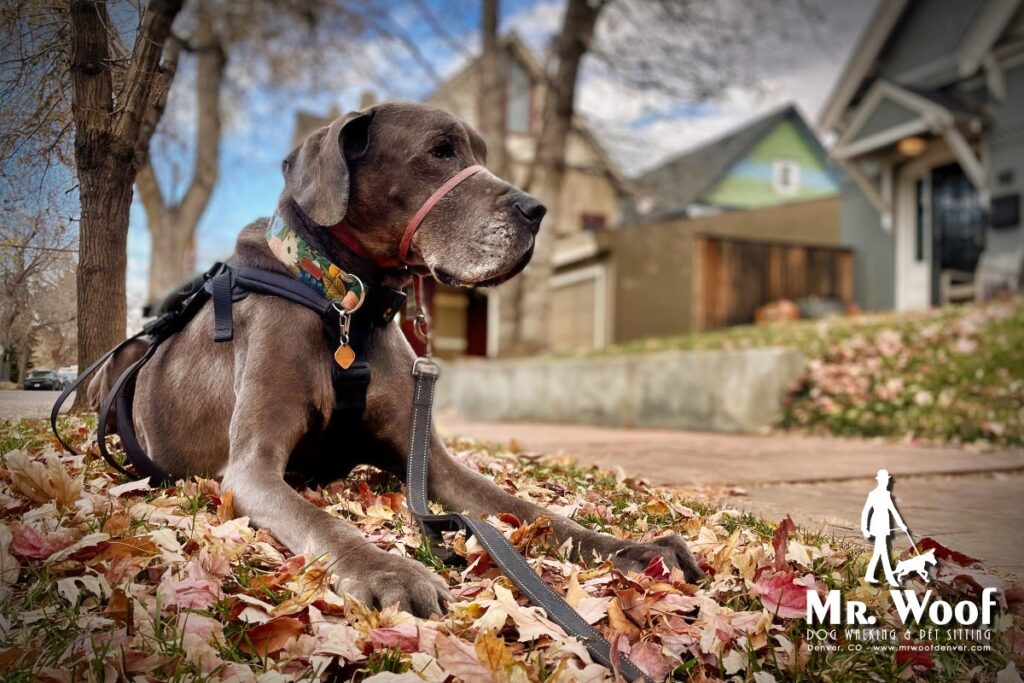
There comes a point with older dogs when walks start to look different.
The pace slows down. The route gets shorter. There may be more stops, more sniffing, and more time spent standing in one place while your dog appears to contemplate the mysteries of a shrub.
That does not mean the walk has stopped mattering.
In many cases, it matters more.
Senior dogs still benefit from regular movement, fresh air, mental stimulation, and the familiar routine of getting outside. The trick is not to make them walk like they did five years ago.
The trick is to meet them where they are now.
Regular Movement Still Matters
As dogs age, they naturally tend to lose muscle mass and mobility.
If activity drops too much, movement can become harder, which may lead to even less activity over time.
Regular, age-appropriate exercise can help older dogs keep moving comfortably for as long as possible.
The American Animal Hospital Association recommends low-impact activity for senior pets and notes that gentle, consistent exercise can support mobility, muscle maintenance, mental stimulation, and healthy rest.
That does not mean pushing through pain. It means finding the level of movement the dog can comfortably handle.
Shorter Walks Can Be Better Walks
This is one of those places where people sometimes get hung up on numbers.
Twenty minutes. Thirty minutes. One mile. Two miles.
But senior dogs do not care about your Fitbit.
A shorter walk can still be valuable if the dog is comfortable, engaged, and moving willingly.
For some older dogs, two short walks may be better than one long one. For others, ten easy minutes and a good sniff around the block may be plenty.
Age, breed, body condition, arthritis, heart health, medications, weather tolerance, and stamina can all affect what is appropriate.
There is no universal senior-dog mileage requirement.
That was exactly the approach with Scout.
I was not trying to recreate the walks she took when she was younger. I was trying to give her a good outing that day.
Some days that meant moving a little farther. Other days it meant slowing down, giving her more support, and making sure we still reached the important destination.
The treat counter at Zorba’s remained non-negotiable.
Sniffing Matters Even More as the Pace Slows
One nice thing about slower senior walks is that there is usually more time to sniff.
That is not wasted time.
Sniffing gives dogs mental stimulation and a reason to engage with their surroundings even when they are not covering much ground.
A senior dog may only walk a few blocks but still spend the entire outing gathering information.
Who came through here? What dog stopped at this tree? Why does that bush smell different today? And who exactly has been conducting unauthorized business beside the mailbox?
VCA Animal Hospitals recommends sniffing walks as a form of mental stimulation and enrichment, with the focus shifting away from pace and distance and toward exploration.
So if your older dog becomes more neighborhood correspondent than distance athlete, I am fine with that.
Watch the Dog, Not the Clock
Senior dogs tell you a lot if you pay attention.
During a walk, I am watching for things like:
- Slowing down more than usual
- Limping or favoring a leg
- Stiffness
- Reluctance to continue
- Heavy panting
- Trouble with curbs or steps
- Lagging behind
- Stopping and not wanting to move
- Difficulty getting up afterward
With Scout, that meant watching her balance and adjusting how much support I gave her through the harness.
The goal was never to finish a predetermined route. It was to make sure she was comfortable and still enjoying herself.
VCA notes that decreased stamina, difficulty getting up, limping, reluctance to use stairs, and avoidance of slippery surfaces can all be signs of pain in aging dogs. Their senior pain guide is a useful reference if you are noticing changes.
One slower day may not mean much. A pattern matters.
Weather Hits Senior Dogs Differently
Denver weather can turn a perfectly reasonable walk into a questionable decision with very little notice.
Older dogs may be less tolerant of heat and cold than they were when they were younger.
Hot pavement matters. Cold pavement matters. Ice matters. Snow matters. Wind matters.
And so does Denver’s occasional attempt to fit three seasons into one afternoon.
Senior dogs may need:
- Earlier summer walks
- Shorter outings during extreme temperatures
- Shadier routes
- Extra traction on ice
- Paw protection
- More recovery time afterward
The same dog may comfortably walk 25 minutes one day and need 12 the next.
That is not inconsistency. That is paying attention.
Support Can Make a Big Difference
For some senior dogs, the issue is not whether they still want to walk.
It is whether their body needs a little help doing it.
That was Scout.
The full-body harness gave me a way to steady her without taking away the walk itself.
Mobility aids can include supportive harnesses, ramps, steps, and non-slip surfaces. AAHA also recommends home adaptations such as ramps and nonslip rugs for senior pets with mobility challenges.
The same thinking applies outside, where ice, wet leaves, loose gravel, steep curbs, and uneven sidewalks can make footing more difficult.
Sometimes the right support means the difference between giving something up and finding a new way to keep doing it.
Routine Still Matters
Senior dogs often become even more attached to familiar routines.
They know when the leash usually comes out. They know which way the walk starts. They know the familiar houses, trees, smells, and people along the route.
And in Scout’s case, she absolutely knew which direction led to the free treat.
The distance may change. The pace may change. The equipment may change.
But the ritual still matters.
A Slower Walk Is Still a Real Walk
I think people occasionally feel guilty when their senior dog can no longer do what they used to do.
The long hikes stop. The big neighborhood loops get smaller. The pace drops.
But the value of the walk does not disappear just because the mileage does.
A slower senior walk can still provide movement, mental stimulation, sniffing, fresh air, routine, one-on-one attention, and a little independence.
That is a pretty good return for a few blocks.
Scout certainly seemed to think so.
Frequently Asked Questions
A few quick answers about walking older dogs safely and comfortably.
How often should a senior dog be walked?
There is no single schedule that works for every senior dog. Many older dogs benefit from regular, shorter walks, but frequency and duration should be based on their health, mobility, stamina, and veterinary guidance.
How long should I walk my senior dog?
Watch the dog rather than aiming for a specific number. A comfortable ten-minute walk may be more appropriate than a thirty-minute outing if your dog is slowing down, stiff, or easily fatigued.
Is walking good for dogs with arthritis?
Gentle movement can be beneficial for many dogs with arthritis, but the amount and type of exercise should be discussed with your veterinarian. Pain management or other treatment may also be necessary.
Should senior dogs still go for walks every day?
Many senior dogs benefit from consistent low-impact activity, but daily walking is not appropriate for every dog. Health conditions, pain, weather, and mobility all matter.
Why is my senior dog suddenly walking slower?
Gradual slowing can be part of aging, but sudden changes may indicate pain or illness. If the change is noticeable or persistent, contact your veterinarian.
Are sniff walks good for senior dogs?
Yes. Short sniffing walks can provide gentle movement and mental enrichment, especially for dogs who no longer need or tolerate long-distance exercise.
The Goal Is Not Distance
Senior dogs do not need to keep up with the dog they used to be.
They need movement that feels good, time outside, a little stimulation, and someone paying attention.
And sometimes they need a supportive harness, a slow walk down the block, and a free treat from the neighborhood restaurant that has somehow become an essential part of their retirement plan.
That still counts.
Actually, I think it counts quite a lot.